
Plastic in the Brain: What We Changed While the Science Catches Up
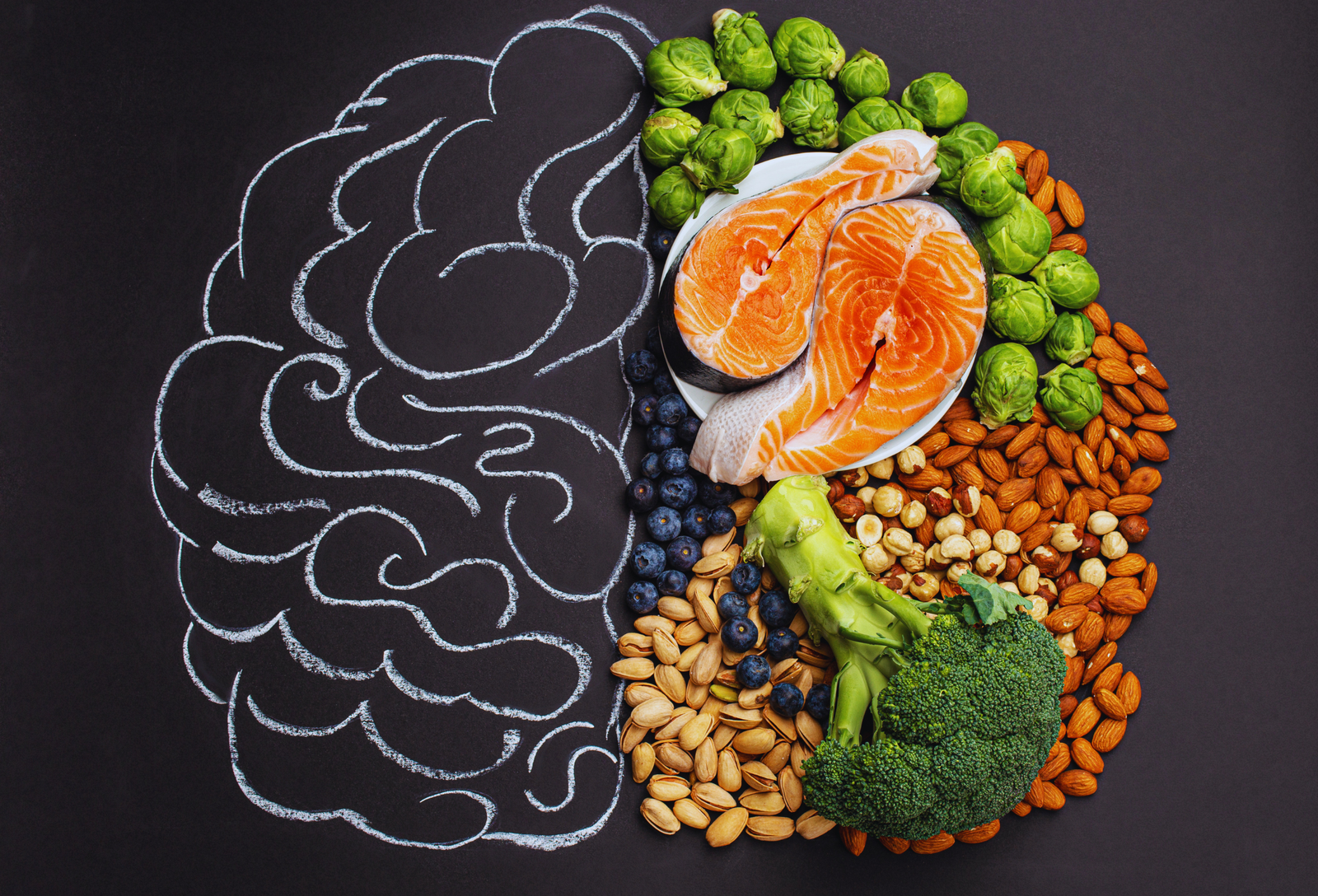
There’s a particular kind of dread that comes from learning that plastic is now turning up inside our own brains.
Microplastics have been found in soil, in the deepest parts of the ocean and, more alarmingly, in human tissue. Researchers are now finding microplastics in the brain..
For anyone who has watched a family member’s memory fade, or who simply wants to do what they reasonably can to protect their future brain health, it’s difficult information to ignore.
That doesn’t mean plastic causes dementia. We don’t know that. But there is enough emerging research to make me think differently about how much unnecessary plastic we live with every day.
What the research shows about microplastics in the brain.
Scientists studying donated brain tissue have found much higher concentrations of microplastics in samples from people diagnosed with dementia than in those without the diagnosis.
Other research comparing brain samples collected several years apart has also found increasing concentrations of plastic over time.
It’s important to be precise about what this does and doesn’t prove.
Finding more plastic in the brains of people with dementia doesn’t mean the plastic caused the disease. It could be that a brain already affected by dementia is less able to clear these particles, so more of them accumulate. Researchers themselves acknowledge that we don’t yet know which way that relationship works.
What makes the subject harder to dismiss is that researchers are also investigating several plausible ways in which microplastics could affect brain health, including inflammation, oxidative stress, disruption of the blood-brain barrier and damage to cells.
Animal studies have added to the concern, but animal studies aren’t proof of what happens in humans either.
So, no, the science isn’t settled.
But that doesn’t mean there is nothing worth doing while we wait.
Why we started changing things
For us, waiting for definitive proof before changing anything felt like the wrong bet.
Not because I think we can somehow eliminate plastic from our lives. We can’t. Once you start looking for it, you realise quite how difficult that would be.
Instead, we’ve started looking at where plastic seems unnecessary, particularly where it touches our food, gets heated, gets scrubbed against things, or is repeatedly worn and washed.
And we’ve changed the easy things first.
In the kitchen, we’ve moved towards glass jars for food we make ourselves, wooden chopping boards, metal colanders and utensils. We don’t heat food in plastic and we’ve stopped buying microwave meals, partly for this reason.
One thing I hadn’t really considered before was what we use to wash and scrub things.
Many ordinary kitchen sponges and scourers contain plastic. The plastic mesh and fibres are designed to be abrasive, which also means they are repeatedly rubbed, squeezed and worn down. Plastic scourers and the plastic versions of wire-wool-style scrubbers are another thing we’ve started avoiding.
We’ve moved towards brushes and other alternatives where we can.
Laundry was another surprise.
We now use washing powder rather than pods. Many laundry and dishwasher pods use a water-soluble film, and the whole subject of what happens to these materials after they dissolve is more complicated than I had realised.
Dishwasher tablets are still something we’re looking at. That’s quite representative of this whole exercise, actually. There isn’t always a perfect plastic-free replacement sitting conveniently on the supermarket shelf.
Then I looked at our clothes
This was probably one of my bigger blind spots.
Polyester, acrylic, nylon and elastane are plastics too.
Synthetic fabrics can release tiny fibres during washing and through normal wear. Once you realise that, you start looking at clothing labels rather differently.
I’m not about to throw away perfectly usable clothes because I’ve discovered they contain polyester. That would make very little sense.
But when we’re buying something new, we’re increasingly looking for natural fibres first.
Linen is lovely when it really is linen, although I’ve learnt to check the label because plenty of clothes described as linen are blends.
Cotton is an obvious everyday option, and wool gives us a natural alternative for warmer clothes.
Even here, though, perfection gets complicated. Clothes need to stretch, last, wash well and be affordable. A small amount of elastane can make something far more wearable. Natural doesn’t automatically mean environmentally perfect either.
So again, this isn’t about creating another set of impossible rules.
Where this leaves us
The science around microplastics and human health is still developing, and we may be waiting years before we understand exactly what long-term exposure means.
In the meantime, we’re not throwing everything synthetic out, replacing the entire kitchen or pretending we can live plastic-free.
We’re looking at where plastic is unnecessary, particularly where it touches food, gets heated, gets worn, scrubbed or washed repeatedly, and changing the easy things first.
Some changes are almost ridiculously simple. Use a wooden chopping board. Don’t heat leftovers in a plastic container. Choose the cotton top when you’re replacing one anyway. Use washing powder instead of automatically reaching for pods. Look at what your kitchen sponge is actually made from.
Other things are much harder, and we’re still working those out.
That’s probably the biggest thing I’ve learnt from looking into this. Plastic is so embedded in everyday life that you don’t really see it until you start looking.
I’m not frightened enough to try to remove every piece of plastic from our lives.
But I know enough now that I don’t want quite so much of it in ours.