
Journal · Gut · Heart · Brain
Fibre & Plant Diversity: Why 30 Plants a Week Matters
Learn · Fiber and Plant Diversity Series · Overview
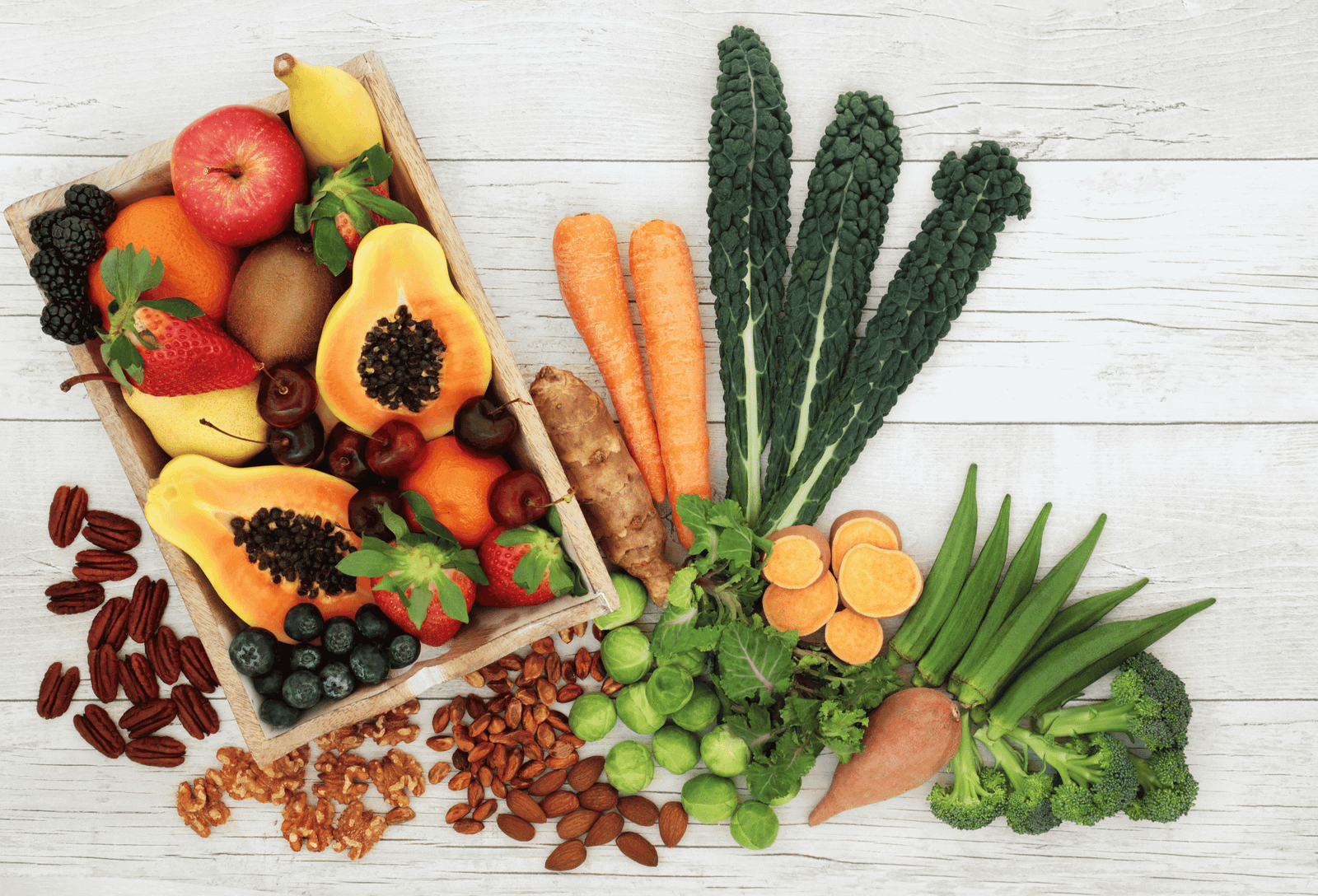
We stopped counting portions a while ago. Five a day never told the full story, and once we understood why, it was hard to go back. What matters far more than hitting a number of servings is how many different plants pass through your kitchen in a week: the herbs, the grains, the beans, the odd vegetable you have never cooked with before. Variety, it turns out, is the real work.
This is an introduction to plant diversity and the now well-known target of 30 different plants a week. We will cover what counts, why it matters for your gut, and how to build towards it without overhauling your entire kitchen. Deeper pieces on fibre types, specific plant compounds, and meal planning will follow.
What Plant Diversity Actually Means
Plant diversity is simply the range of different plants you eat over a week, not the volume. A large bowl of the same three vegetables every night counts for less, in gut terms, than a smaller variety spread across fruit, vegetables, wholegrains, legumes, nuts, seeds, and herbs.
Each plant brings its own mix of fibres and polyphenols, and different gut bacteria have evolved to feed on different fibre structures. A narrow diet feeds a narrow set of bacteria. A wide one feeds a wide set, and that breadth is what researchers are pointing to when they talk about a healthy, resilient microbiome.
Why It Works
The 30-plants target comes from the American Gut Project, one of the largest citizen science microbiome studies ever run, led out of the University of California, San Diego, with more than 11,000 participants across the US, UK, and Australia.
- People who ate more than 30 different plant types a week had significantly more diverse gut microbiomes than those who ate 10 or fewer
- Higher plant diversity was linked to a greater abundance of bacteria that produce short-chain fatty acids, compounds that support the gut lining and help regulate appetite and blood sugar
- The effect held regardless of whether someone identified as vegan, vegetarian, or omnivore. It was the range of plants that mattered, not the exclusion of meat
- Greater microbial diversity is broadly associated with stronger immune function and a lower risk of the chronic conditions linked to a struggling gut
How much and how often
Thirty different plants sounds ambitious until you see what actually counts. Fruit, vegetables, wholegrains, legumes, nuts, and seeds each count as one plant point. Herbs and spices count too, at a quarter of a point each, since we eat them in such small amounts. That means four different herbs or spices in a week add up to a full point. Aim for 30 points across the week rather than in a single day, and repeat plants do not count twice; the goal is range, not repetition.
What Counts Towards Your 30
- Fruit and vegetables: every variety counts separately, including different colours of the same vegetable, such as red and yellow peppers
- Wholegrains: oats, quinoa, brown rice, rye, and wholemeal bread all count. Refined versions, such as white rice, white pasta, and white bread, do not, as processing strips out most of the fibre
- Legumes: lentils, chickpeas, and the many varieties of beans each count as their own point
- Nuts and seeds: almonds, walnuts, chia, and flaxseed all count individually, and a handful of mixed nuts can cover several points at once
- Herbs and spices: fresh or dried, each different one counts as a quarter point
- A few extras: coffee, tea, and dark chocolate above 70% cocoa are technically plants too, though they should sit alongside whole foods rather than replace them
Building Towards 30, Without the Overwhelm
- Batch-cook grains, beans, and lentils so a new variety is always ready to add to a meal
- Build meals that naturally stack plants: a soup or a grain bowl with five or six ingredients can cover a third of your week in one sitting
- Rotate rather than repeat. If spinach featured last week, try kale or chard this week instead
- Keep a small, varied spice shelf. Reaching for a different herb or spice each time you cook adds up quickly
- Try one new plant a week, whether that is a vegetable you have not cooked before or a different bean in the chilli
Further Reading & Sources
The Microsetta Initiative (formerly the American Gut Project), University of California, San Diego.
World Cancer Research Fund, coverage of the American Gut Project’s plant diversity findings.
This article is for general education only and is not medical advice. Gut and Grain does not diagnose, treat, or replace the guidance of a qualified healthcare professional. If you have a health condition or take medication, please speak with your doctor before making significant dietary changes.