
Journal · Gut · Heart · Brain
Diet vs Exercise: The Maths Behind Intake and Outtake
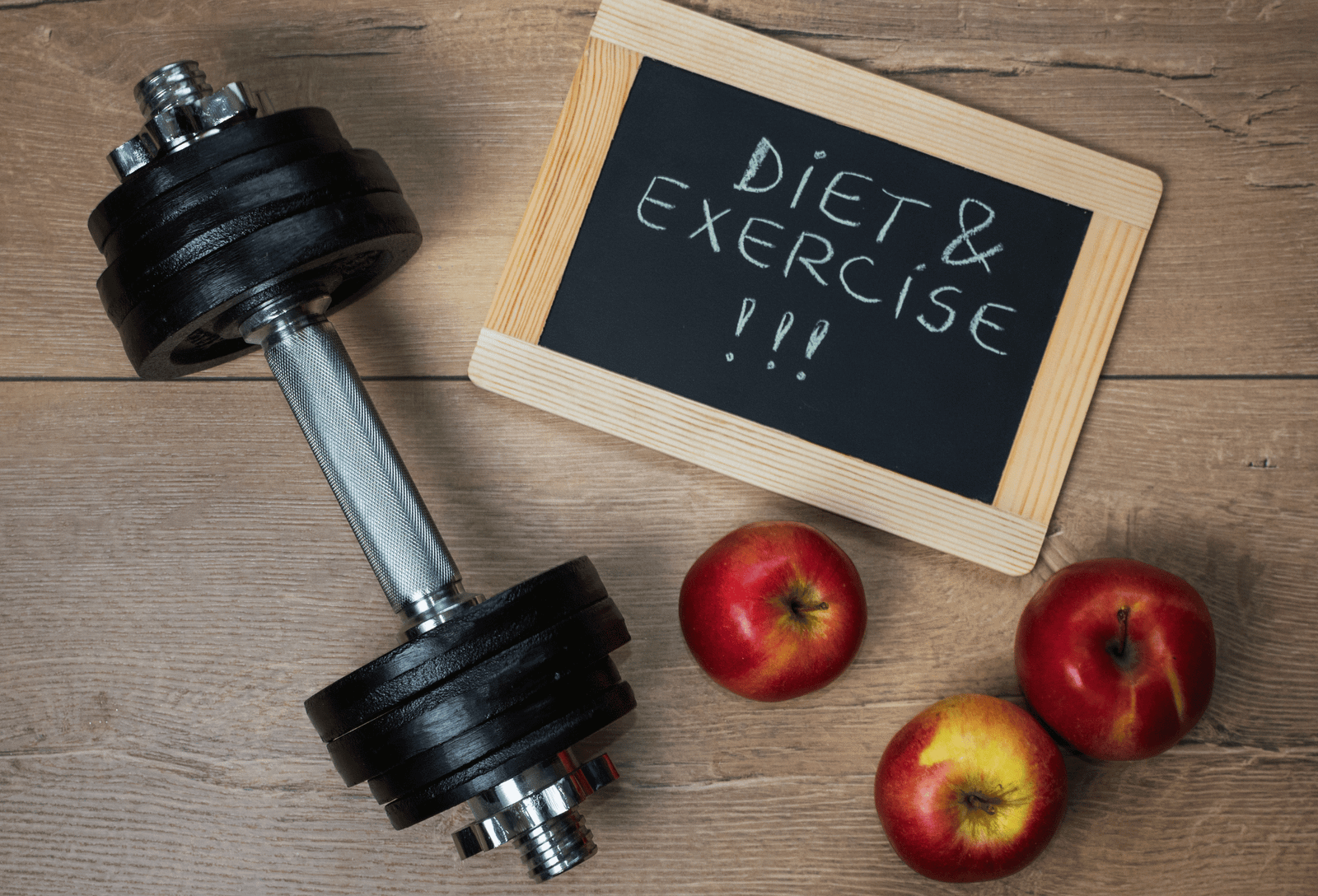
One of us caught a podcast recently where the guest, a coach talking through protein shakes, protein targets, and how to hit them from a normal diet, dropped in a comparison that has stuck with us ever since. It went something like this: a bowl of cereal takes you five or ten minutes to eat. Burning off the same number of calories on a bike or a jog can take three or four times as long. Once you have heard that maths, it is hard to unhear it.
This is not a piece about guilt, and it is not a reason to skip your next run. It is simply the numbers, laid out plainly, so you can make your own informed choices about where your time and effort go furthest.
What we mean by intake versus outtake
Weight management, at its simplest, comes down to energy balance: the calories you take in against the calories your body uses. Exercise sits on the outtake side of that ledger. Food sits on the intake side. The podcast’s point, and one that a good chunk of nutrition research backs up, is that these two sides are not equally efficient levers to pull.
Cutting a few hundred calories from what you eat tends to be quicker and easier than burning the equivalent off through movement. That does not make exercise pointless. It makes it a different tool, doing a different job.
Why the research agrees
A widely cited editorial in the British Journal of Sports Medicine argued that excess sugar and refined carbohydrate, not inactivity, are the primary drivers of the modern obesity picture, and that regular movement, while hugely valuable for heart and metabolic health, is not on its own a reliable weight loss strategy.
A large 2025 study spanning six continents and dozens of populations reached a similar conclusion: overeating, particularly of ultra-processed food, tracks far more closely with rising obesity than falling activity levels do. The researchers were clear that exercise remains essential for heart health, mobility and longevity. It simply is not the main lever for weight.
There is a simple, human reason this plays out the way it does. Hard exercise increases appetite, and it is easy to overestimate how much a session has burned and then eat back more than you worked off. A brisk run might use 350 calories. A flapjack afterwards can undo it in under a minute of eating.
The maths: what a bowl of cereal actually costs you
Here is the comparison that started this whole conversation. We have used a 70kg adult and moderate-intensity exercise as the baseline throughout, since calorie burn scales with body weight and effort. Your own numbers will move around depending on your size, fitness and pace, but the shape of the story holds.
| Food | Typical calories | Time to eat | Time to burn it off |
| Bowl of sweetened cereal (e.g. cornflakes or rice-based cereal) with whole milk, a generous adult portion | Roughly 350–450 kcal | 5–10 minutes | 40–50 minutes of moderate cycling or jogging |
| Four-finger chocolate wafer bar | Roughly 210–215 kcal | 1–2 minutes | 20–25 minutes of moderate cycling or jogging |
| Chocolate, nougat and cereal bar (standard single bar) | Roughly 250 kcal | 1–2 minutes | 25–30 minutes of moderate cycling or jogging |
A note on the numbers: a standard cornflakes serving with milk sits closer to 150–200 calories, but most people’s actual bowls, with a heaped serving of cereal and a generous pour of whole milk, land significantly higher. We have used that more realistic portion above, since it is the one people actually eat.
The exercise figures assume a steady, moderate effort: cycling at roughly 12–14mph, or jogging at around 5mph. Push harder and you will burn it off faster. Go easier, and it will take longer than the ranges above.
The checkout test
Before you buy it, ask: would I be willing to do twenty five minutes of moderate exercise, right now, purely to cancel out this one bar?
This is the mental shortcut that stayed with us after the podcast. Next time you are standing at a shop counter or a petrol station, surrounded by sweets and chocolate placed deliberately within arm’s reach, try the checkout test.
It is not about banning treats. It is about noticing the trade you are actually making, in a moment designed to stop you from noticing it at all. And this is before you even factor in what a bar like that is doing beyond the calorie count: the refined sugar and emulsifiers, the quick blood sugar spike, and the energy crash that tends to follow thirty to sixty minutes later, often leaving you reaching for something else to fix the dip it caused.
Where protein fits into this
The same podcast spent a good portion of its runtime on protein: how much you actually need, and whether a shake is really necessary to get there. The short answer, backed by the British Heart Foundation and several clinical sources, is that most people can hit their protein target through food alone.
The baseline recommendation for a generally healthy, sedentary adult is around 0.8g of protein per kilogram of body weight per day. That works out at roughly 56g a day for a 70kg adult. If you are regularly active, that requirement rises, with most guidance landing between 1.2g and 1.6g per kilogram, so somewhere between 84g and 112g a day for the same 70kg adult.
A wholegrain sandwich with two eggs, or a bowl of cereal with 300ml of milk, provides a comparable amount of protein to a typical shake, plus the fibre, vitamins and minerals that a powder alone does not carry. Shakes have their place, particularly straight after intense training or when appetite is genuinely low, but for most people on most days, whole food gets you there just as well.
How much and how often: putting it into practice
- Spread protein across three or four meals at roughly 20–30g each, rather than loading it all into one shake or one meal.
- Treat exercise as a health investment first (heart, mood, muscle, sleep) and a calorie tool second. It is brilliant at the first job and a slow, inefficient tool for the second.
- Run the checkout test before impulse treats: is this worth the exercise it would take to neutralise it, sugar spike and crash aside?
- Favour whole-food protein (eggs, dairy, fish, legumes, meat) as your default, and use shakes as a top-up rather than a foundation.
- When you do want a treat, enjoy it without exercise-based guilt attached. This is about informed choices, not penance.
Further Reading & Sources
Malhotra, Noakes & Phinney, ‘It is time to bust the myth of physical inactivity and obesity’, British Journal of Sports Medicine.
2025 global cross-population study on diet, activity and obesity, spanning six continents and 34 populations (as reported via Nutrition and Healing).
British Heart Foundation, ‘Protein: how much do you need?’, Heart Matters.
Mayo Clinic Health System, ‘Are you getting too much protein’.
CalorieKing and FatSecret UK nutrition databases, for chocolate bar and cereal calorie figures.
Harvard Health and CDC-referenced MET-based calorie expenditure guides, for cycling and jogging calorie burn rates.
This article is for general education and is not medical, dietary or clinical advice. Gut & Grain founders are not medically qualified. Please speak with a doctor, registered dietitian or other qualified professional before making significant changes to your diet or exercise routine.