
Polyphenols: What They Are, Why Your Gut Loves Them, and How Much You Actually Need
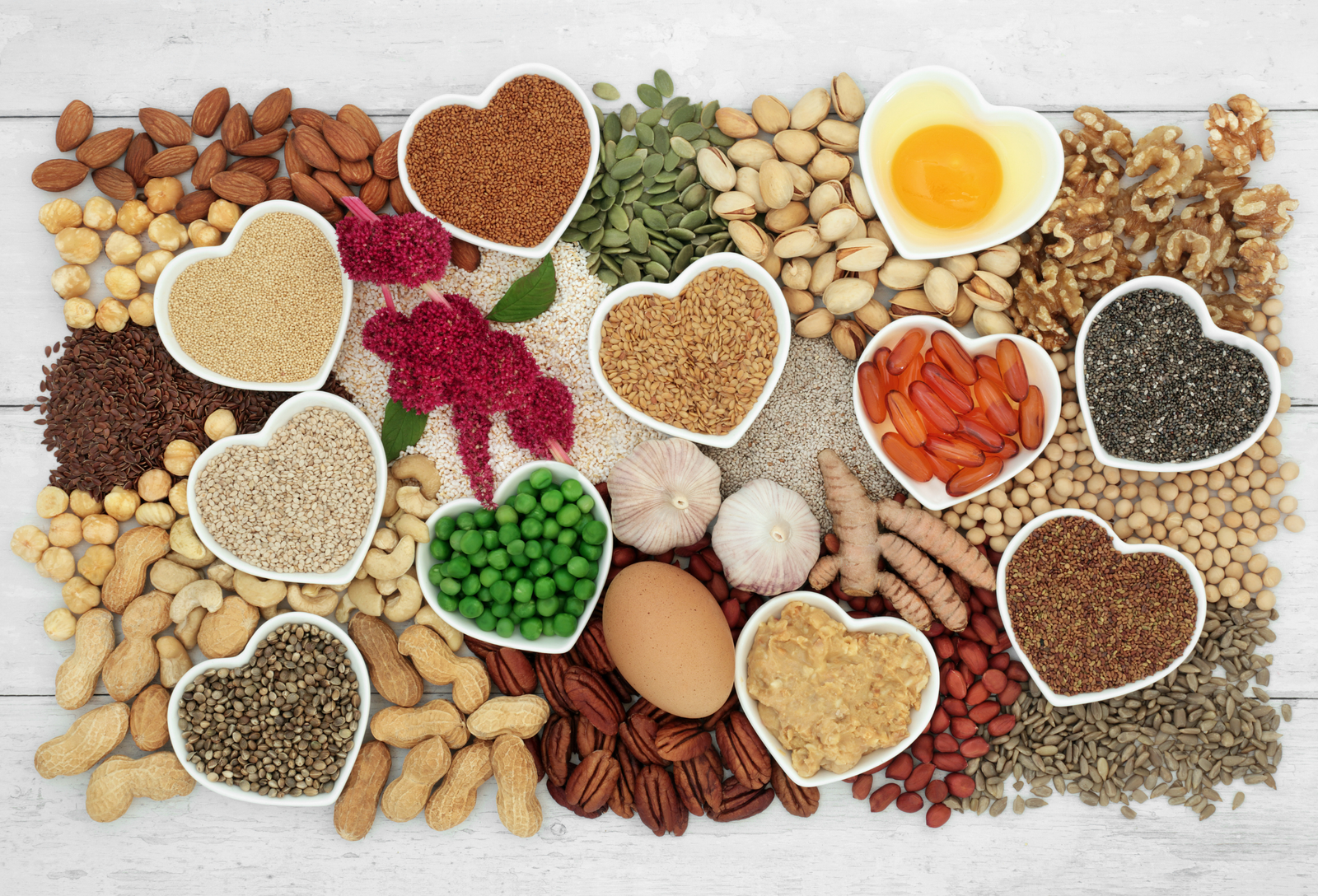
If you’ve heard us go on about “eating the rainbow” or hitting a wide variety of plants each week, polyphenols are a big part of why. They’re one of the simplest, most enjoyable ways to support your gut microbiome — and the science behind them keeps getting stronger.
Here’s what they are, what the research says about their benefits, and some practical guidance on how much to eat and how often.
What are polyphenols?
Polyphenols are natural compounds found in fruit, vegetables, herbs, spices, nuts, seeds, tea, coffee, and olive oil. Plants make them partly as their own defence system — protection from UV light, pests, and environmental stress. There are thousands of different types, grouped into four main families: flavonoids, phenolic acids, lignans, and stilbenes.
Here’s the interesting part: most polyphenols aren’t absorbed in the small intestine like other nutrients. Instead, they travel down to the colon, where your gut bacteria break them down into smaller, more active compounds your body can actually use. It’s a two-way relationship — polyphenols feed and shape your microbiome, and in turn, your microbiome determines how much benefit you get out of the polyphenols you eat.
What does the research say about the benefits?
A healthier gut community. Diets rich in polyphenols are consistently linked to a more favourable balance of gut bacteria, with more of the beneficial species and fewer of those associated with a typical low-fibre, low-plant “Western” way of eating.
Lower inflammation and oxidative stress. Several reviews link polyphenol-rich eating patterns with reductions in the body’s inflammatory and oxidative stress markers, alongside improvements in gut bacteria composition. The proposed mechanism is that polyphenols mop up damaging free radicals, boost the body’s own antioxidant defences, and calm inflammatory signalling.
A stronger gut barrier. There’s early evidence that polyphenols help support the integrity of the gut lining, reducing the chance of bacterial byproducts leaking into the bloodstream — relevant to the gut-heart-brain conversation we talk about often.
More isn’t always better. Research on polyphenol supplementation suggests the effect is dose-dependent rather than limitless — benefits to gut bacteria diversity plateau well below the kind of doses you’d find in concentrated supplements. This is a good argument for food-first, rather than mega-dosing.
Everyone responds a little differently. Ongoing clinical research is specifically investigating why polyphenols’ effects on heart, brain, and metabolic health vary so much from person to person — a good reminder that gut health is personal, not one-size-fits-all.
How much, and how often?
There’s no official government daily target for polyphenols, unlike fibre or vitamin C — which is exactly why “how much” is such a common question. A few useful reference points from the research:
- A sensible ceiling for supplements sits under 540 mg a day — beyond that, extra benefit to gut bacteria diversity tends to level off.
- From whole food, variety beats volume. Cocoa, coffee, fruit, and nuts tend to offer the most polyphenols per typical serving, while herbs and spices are the most concentrated by weight — so a pinch of oregano and a square of dark chocolate both genuinely count.
- Frequency matters more than any single big dose. Your gut bacteria process polyphenols daily rather than storing them, so the research consistently points to small, regular intake — not an occasional large hit — as the more effective pattern.
Everyday polyphenol sources worth knowing (mg per 100g, approximate)
| Food | Polyphenol content |
| Cloves | ~15,000 mg |
| Cocoa powder | ~3,448 mg |
| Dark chocolate (70%+) | ~1,660 mg |
| Dried oregano | ~2,000 mg |
| Chokeberries (aronia) | ~1,700 mg |
| Flaxseed meal | ~1,500 mg |
| Black olives | ~550 mg |
| Blueberries | ~560 mg |
| Extra virgin olive oil | Varies by quality; most bioavailable, heat-stable to 175°C |
| Brewed coffee | ~200–550 mg per cup |
| Black tea | ~102 mg per 100ml |
Figures are approximate and vary by growing conditions, ripeness, and processing.
A simple, practical approach
You don’t need to calculate milligrams. A few habits capture most of the benefit:
- Colour your plate daily — different pigments (deep purple, red, orange, dark green) generally mean different polyphenol families.
- Use herbs and spices generously — oregano, cloves, cinnamon, and rosemary punch well above their weight.
- Choose dark chocolate (70%+) over milk chocolate — dairy proteins bind to polyphenols and blunt absorption.
- Have your coffee or tea — both are major everyday contributors for most people.
- Cook with a good quality extra virgin olive oil, used raw or at low heat where possible.
- Think little and often, rather than one big polyphenol-rich meal a week.
The bottom line
Polyphenols are a genuinely well-evidenced, low-effort way to support your gut microbiome, and by extension your wider health — but they work best as part of a varied, whole-food pattern of eating, not as a single “hero” ingredient or supplement. The research is still evolving, particularly around exactly how much different people need.
This article is for general education about nutrition and the gut microbiome. It is not medical advice, and it isn’t intended to diagnose, treat, or prevent any condition. If you have a health condition or take medication, speak with a doctor or registered dietitian before making significant dietary changes.
Further reading & sources
- ZOE — 10 Best Foods/Drinks High in Polyphenols
- ScienceDirect — Polyphenol supplementation benefits human health via gut microbiota: a meta-analysis
- MDPI — Health-Improving Effects of Polyphenols on the Human Intestinal Microbiota
- PMC — Effect of Polyphenol-Rich Interventions on Gut Microbiota and Inflammatory/Oxidative Stress Markers
- PubMed — Dietary Polyphenol, Gut Microbiota, and Health Benefits
- PubMed — Identification of the 100 Richest Dietary Sources of Polyphenols
- Nutrition Advance — The Top 50 Foods High in Polyphenols